-01.png)

The Problem: Why Most Creative Tests Fail
What I observed in many of the clients I’ve worked with is that they think they’re testing creatives. In reality, they’re throwing spaghetti at the wall to see what sticks. The most common pitfall?
Testing too many variables at once- They changed image, copy, colour, messaging angle simultaneously. Every creative was so different that they couldn't identify why a performing ad works, and couldn’t replicate its success when their audiences eventually got tired of that performing ad. (In case you don’t already know- all performing ads will eventually stop working! Because who wants to keep seeing the same ad?)
That’s when I started building a repeatable creative testing process that can help to identify and replicate success in creatives.
My Step-by-Step Creative Testing Framework
This is the system I use across every Meta account I manage — from small local businesses to six-figure-a-month ad spends, across various verticals from F&B to Fintech and B2B.
1. Define Your Hypothesis and Variables
Every test starts with a question. “Will lifestyle imagery outperform product-only shots?”
“Will problem-led copy beat aspirational copy?”
The full list of creative dimensions and variables I systematically test is <here>. Skip ahead if you’d like.
2. Structure the Test Properly
Keep your tests clean and controlled:
- Use separate ad sets and Meta’s A/B Test tool to make sure your audiences don’t overlap.
- Keep all other factors constant — same audience, budget, and placement.
- Use a naming convention you can read at a glance:
Eg. static001a-testimonial-black / static001b-testimonial-blue / static002-promo-code-black
The goal is that when results come in, you instantly know what variable you tested.
3. Decide on Metrics & Duration
Define success upfront. Metrics will vary depending on the type of campaign/ funnel you are running. For example:
- Awareness: Click through rate (CTR) or thumbstop rate/ hook rate (e.g. 3-second views ÷ Impressions)
- Conversion: Cost per Acquisition (CPA) or Return on Ad Spend (ROAS).
Run tests long enough and deliver enough (impressions/ views/ clicks) for statistically meaningful data — This is a very complex topic, which I can’t cover in this post. More on this at my Performance Marketing Course.
4. Iterate Fast
Winning ads get scaled and repurposed — Create similar content with the insights you’ve gained by changing the headline, localise visuals, or reformat for Reels.
Losing ads get analysed, not just deleted- Note down which variable didn’t work so you do not waste budget testing it again.
Document every test. Over time, patterns emerge — and patterns turn into playbooks.
The 3 Creative Dimensions I Systematically Test (So I Never Run Out of Winning Ads)
1. Imagery Testing (What the User Sees First)
Your image or video thumbnail is your scroll-stopper.
You’re testing the look and feel, not the message (more on that later) — keep everything else identical.
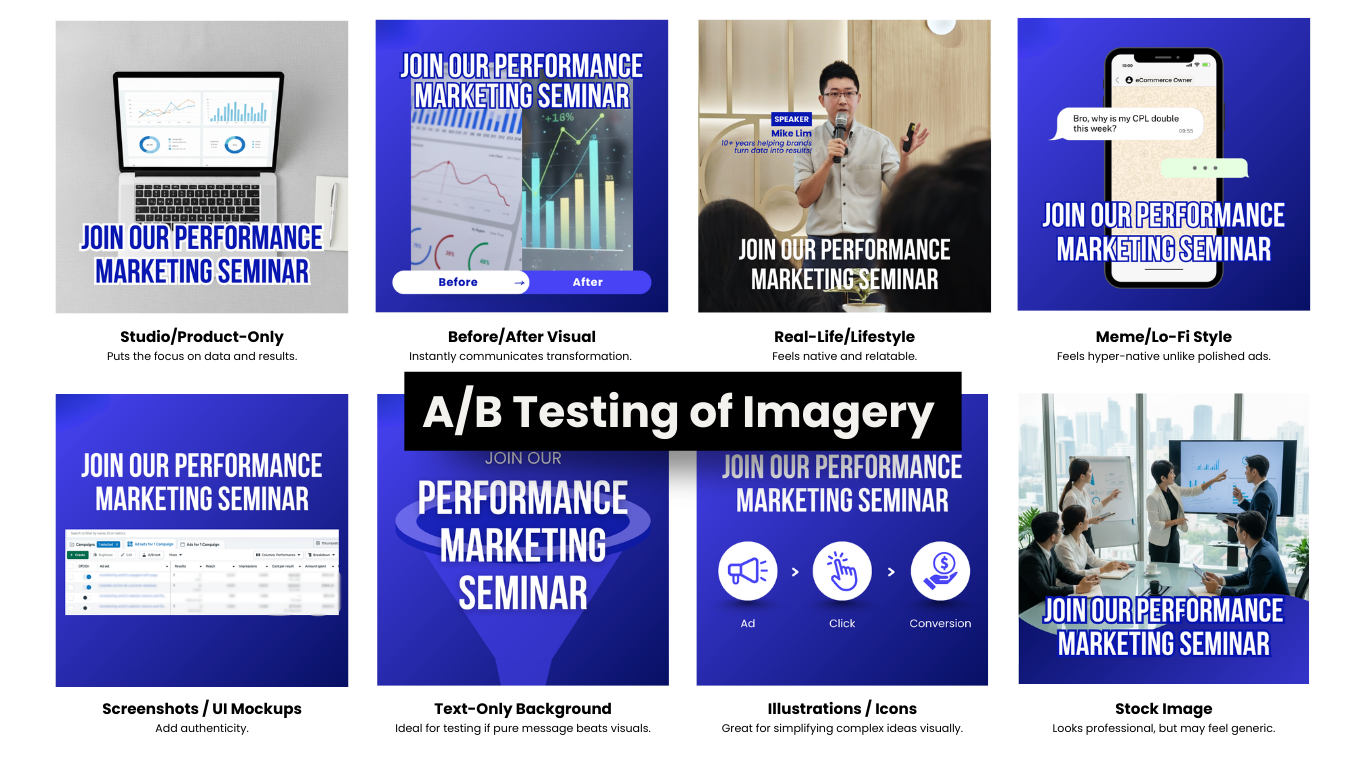
a. Real-life / Lifestyle
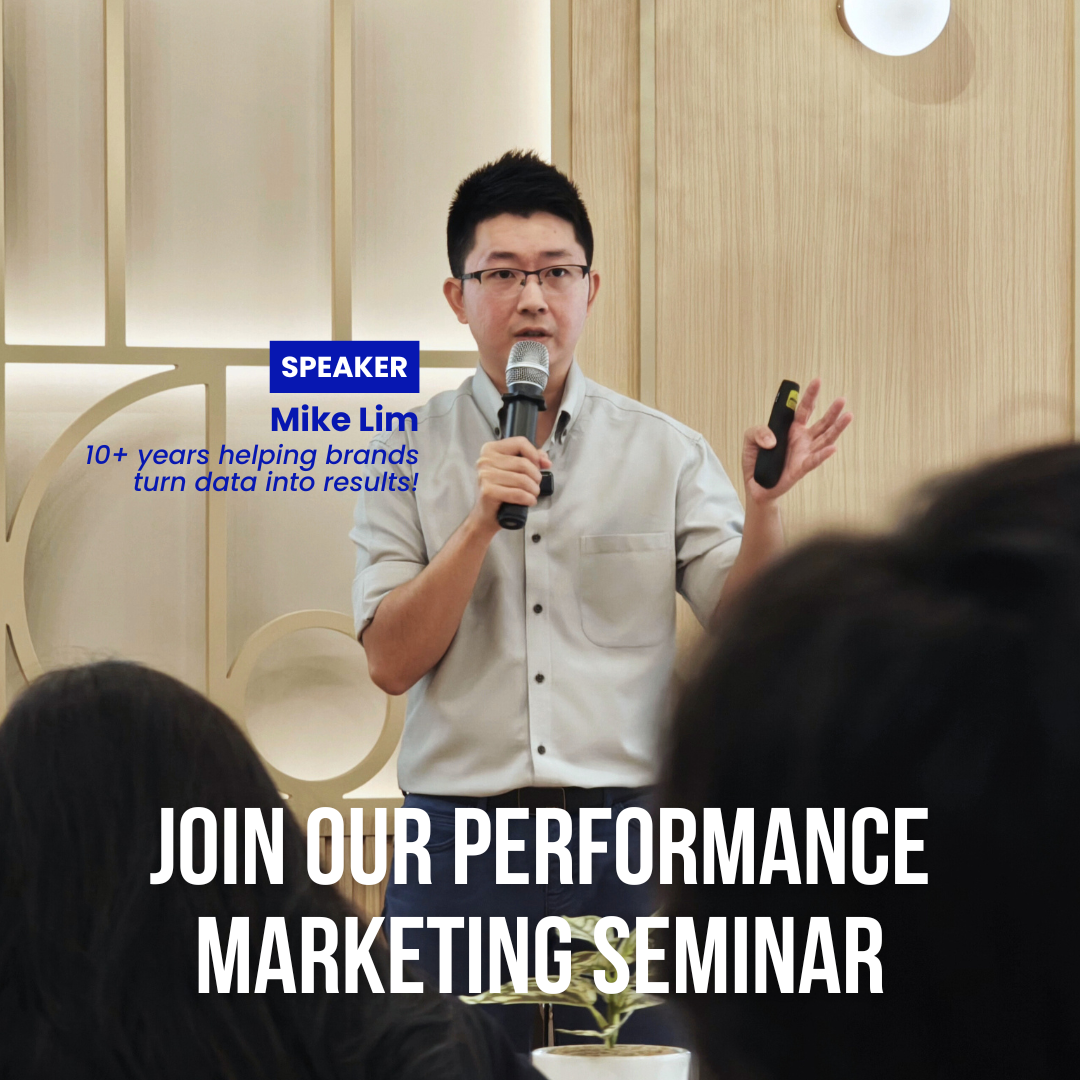
Feels native and relatable. Often wins because it looks like “real content,” not an ad.
b. Studio / Product-only
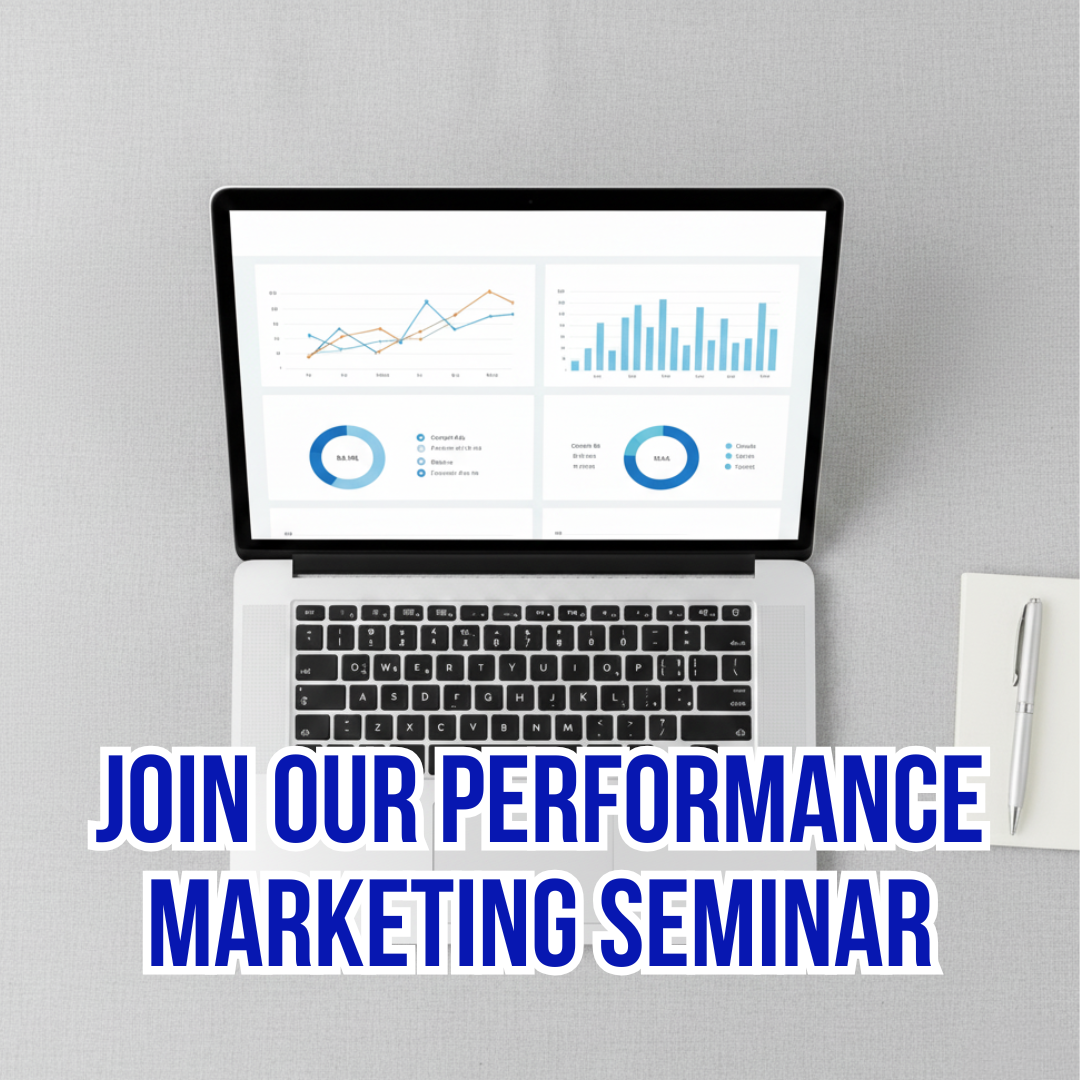
Focuses on data and results — great for credibility-driven audiences.
c. Stock Image

Looks professional, but may feel generic. Good for testing if polish helps or hurts performance.
d. Illustrations / Icons

Great for simplifying complex ideas visually. Test if your audience prefers visual metaphors.
e. Screenshots/UI Mockups
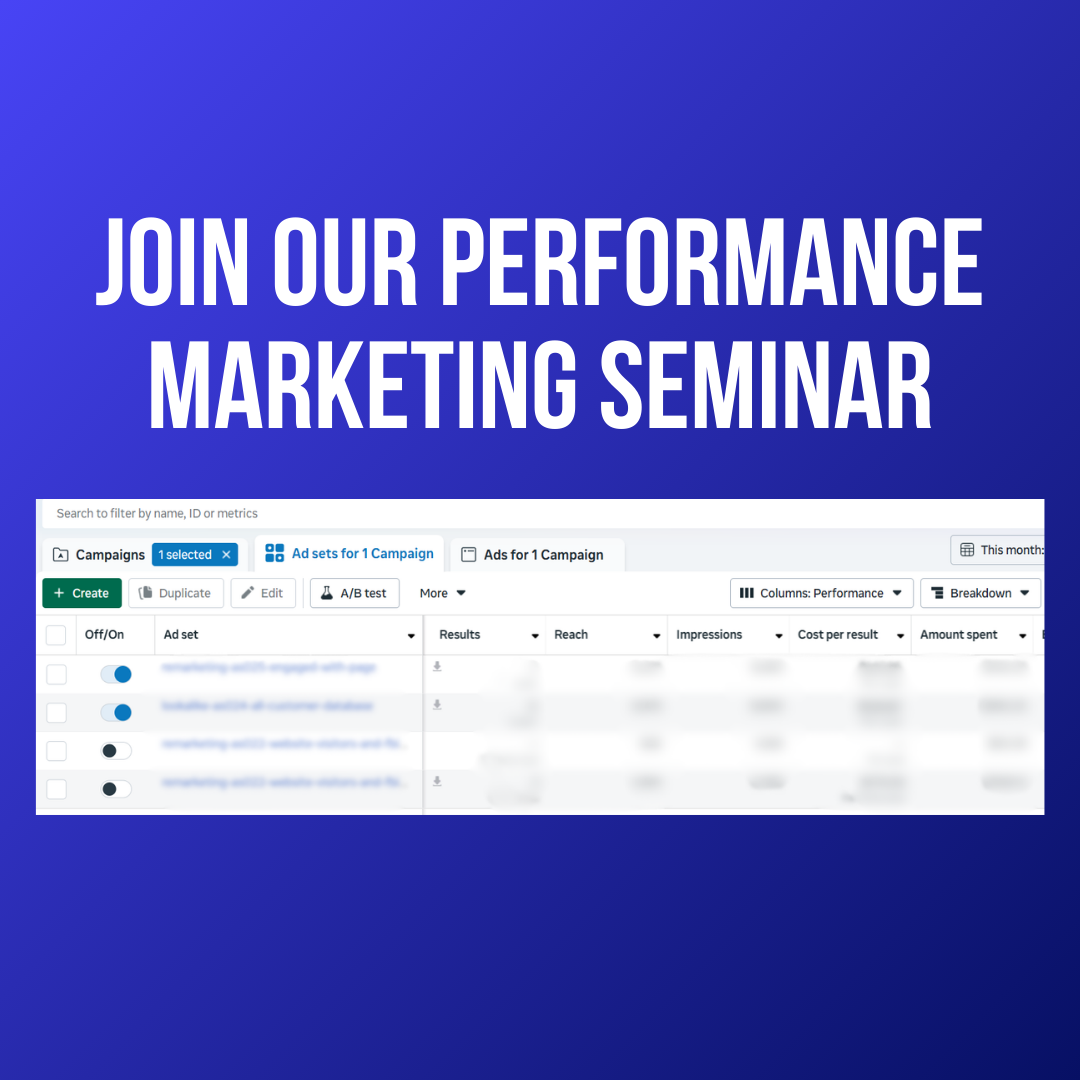
Adds authenticity — “proof you actually do this.” Excellent for expert audiences.
f. Before/After Visual
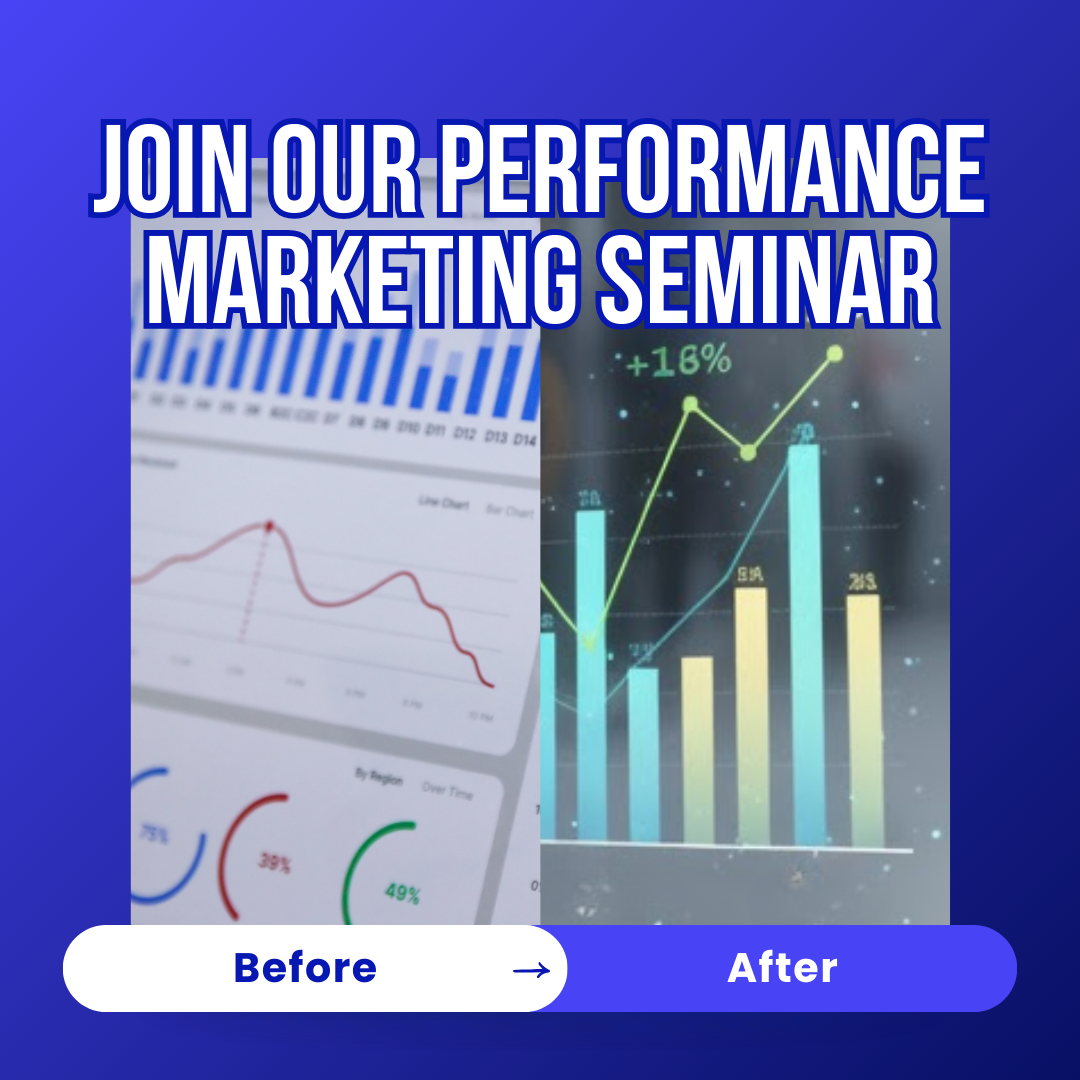
Instantly communicates transformation. High click-through for analytical audiences.
g. Text-only Background
Minimalist and punchy. Ideal for testing if pure message beats visuals.
h. Meme/Lo-Fi Style
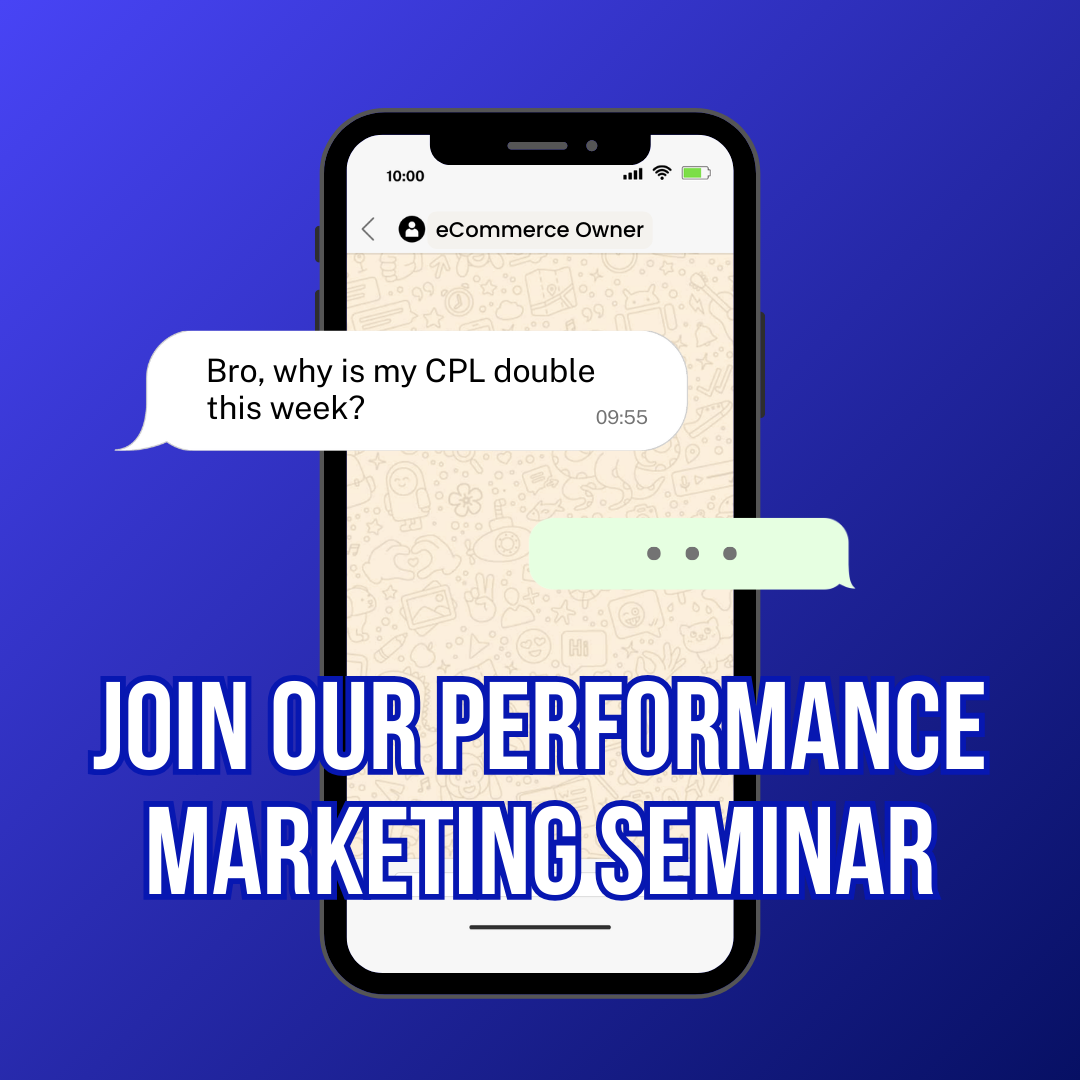
Feels hyper-native. Works well with audiences fatigued by polished ads.
 Mike's Tip:
Besides using these dimensions for ad testing, you can also use it as ideas for posts on your pages to diversify your organic content. Here is an example of a brand that uses these dimensions to add to the visual diversity of their organic posts:

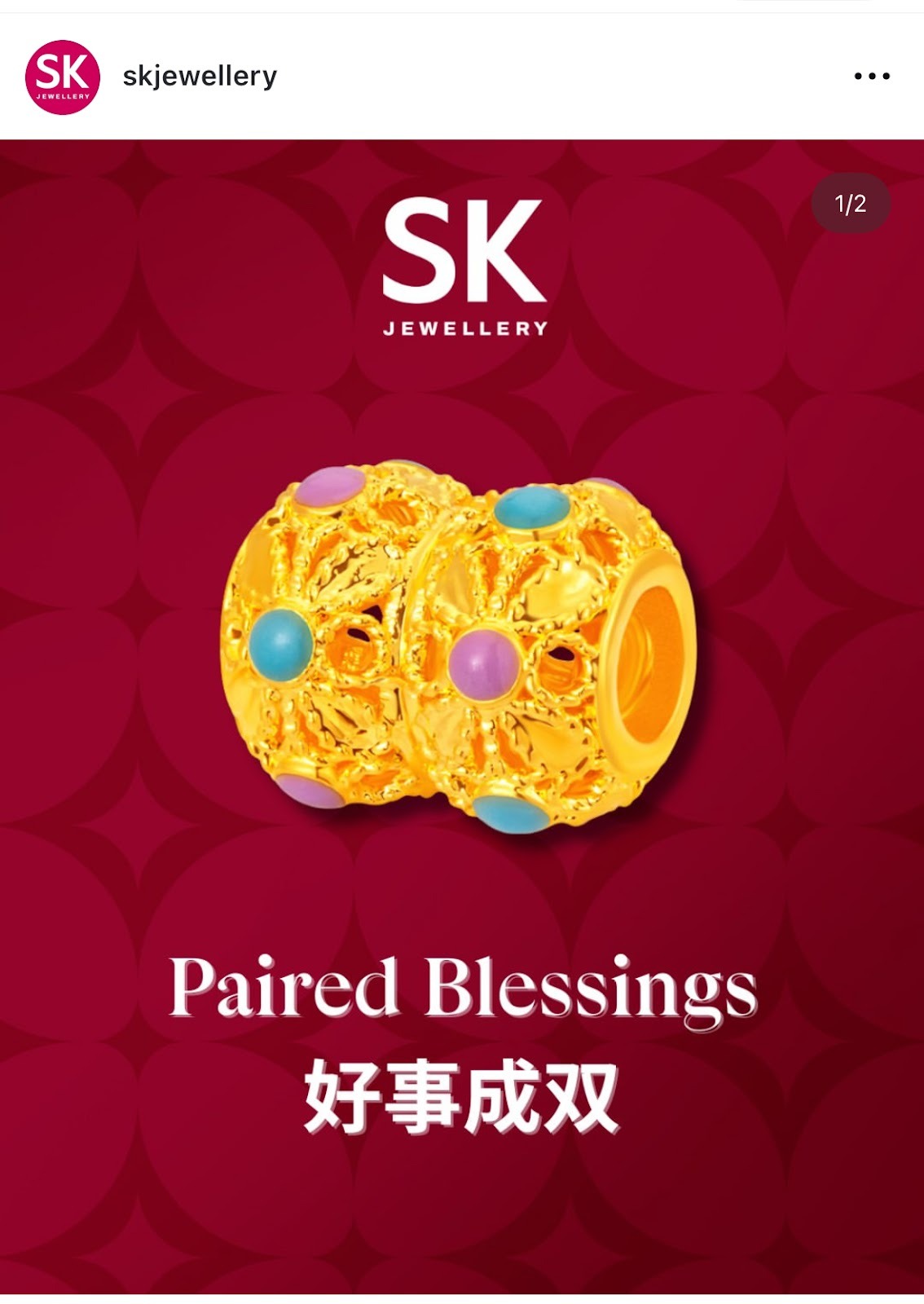
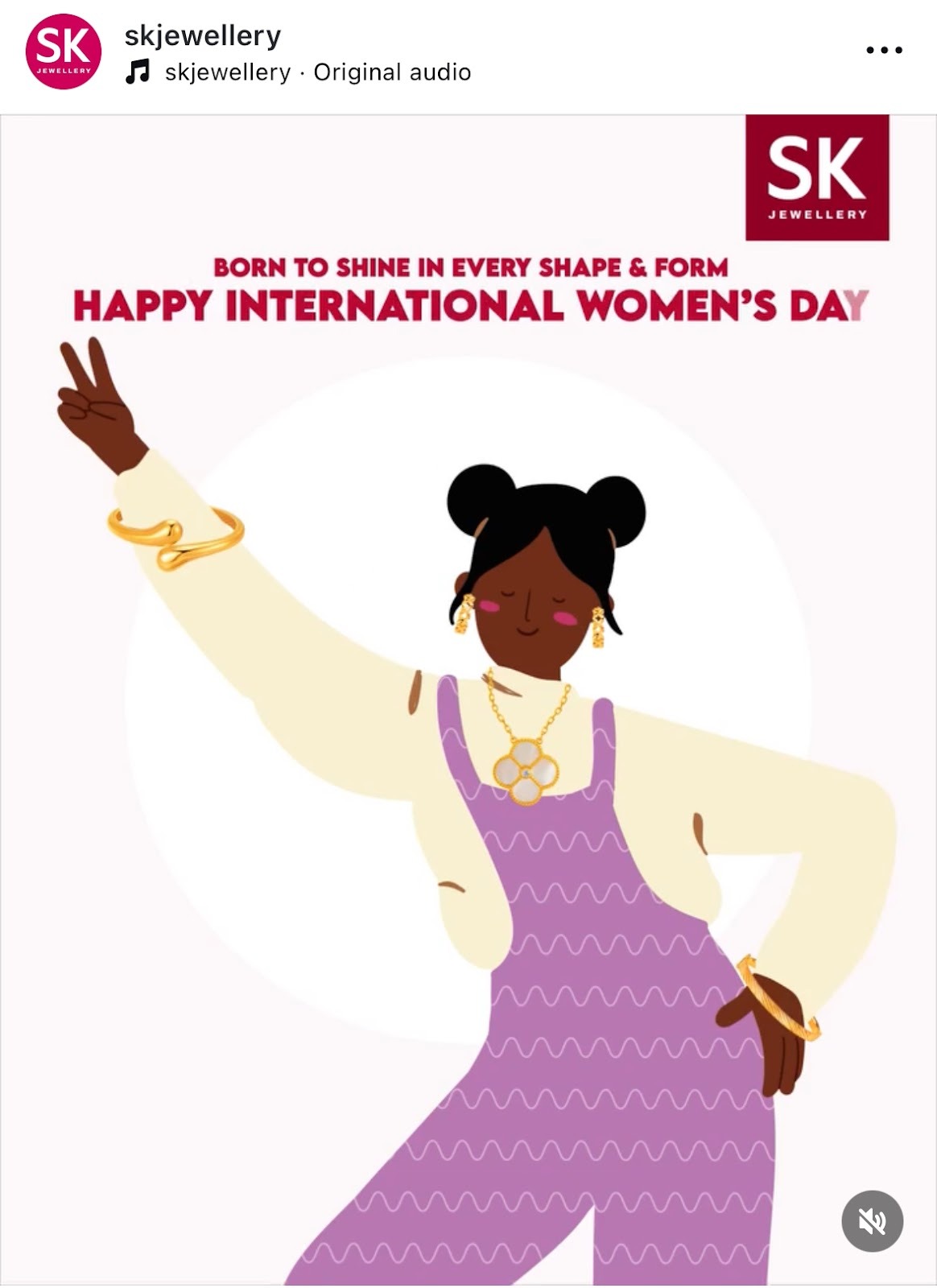
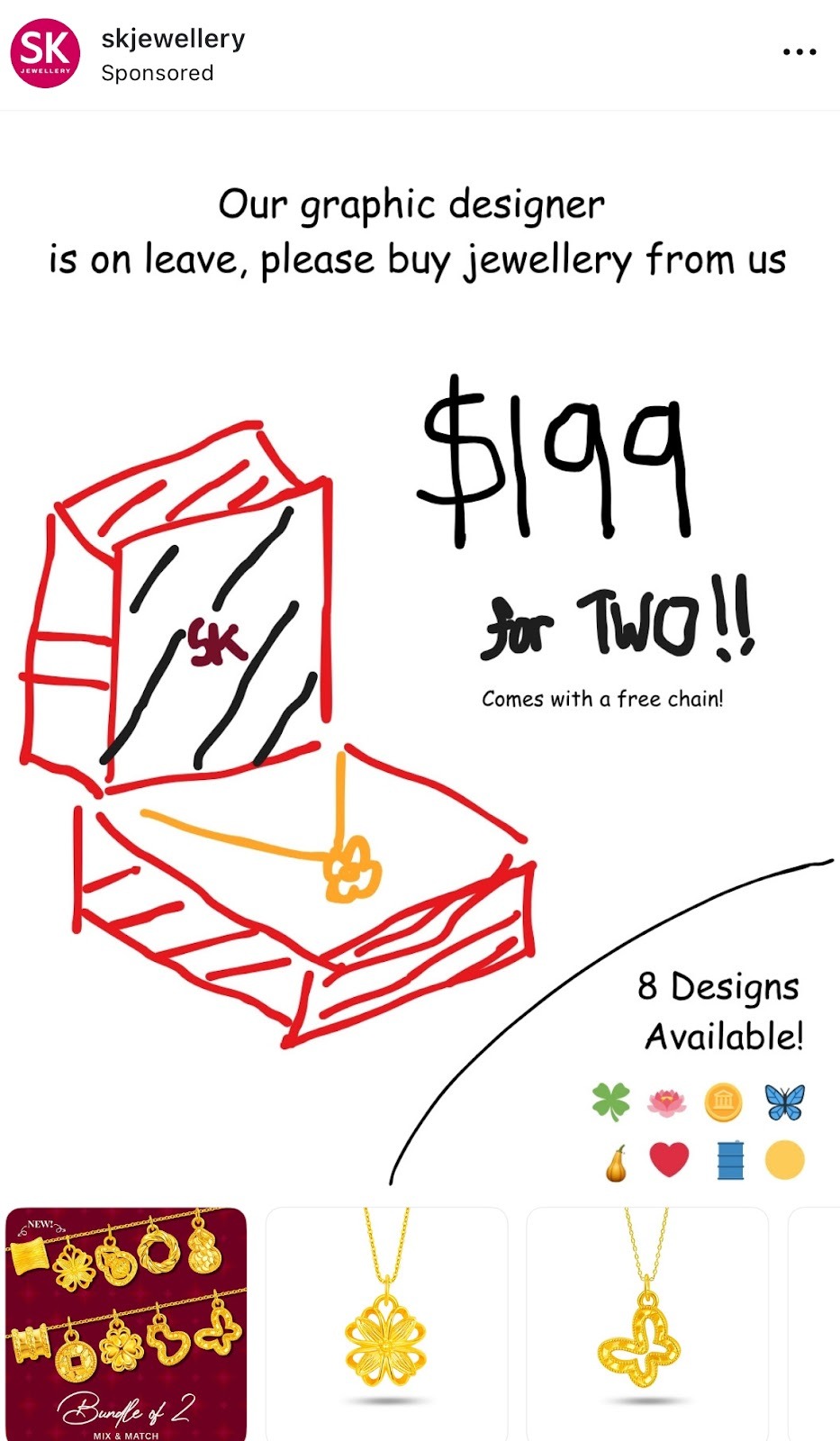
2. Message & Angle Testing (What You Say and Why It Matters)
Once you’ve found what visual styles hook attention, your next job is to earn belief —That’s where message and angle testing comes in. Audiences need either an emotional or logical angle to convert.
Keeping your visual base identical (same layout, colours, person, background), change the copy on the image/video frame — the headline, hook, or first line of the script.
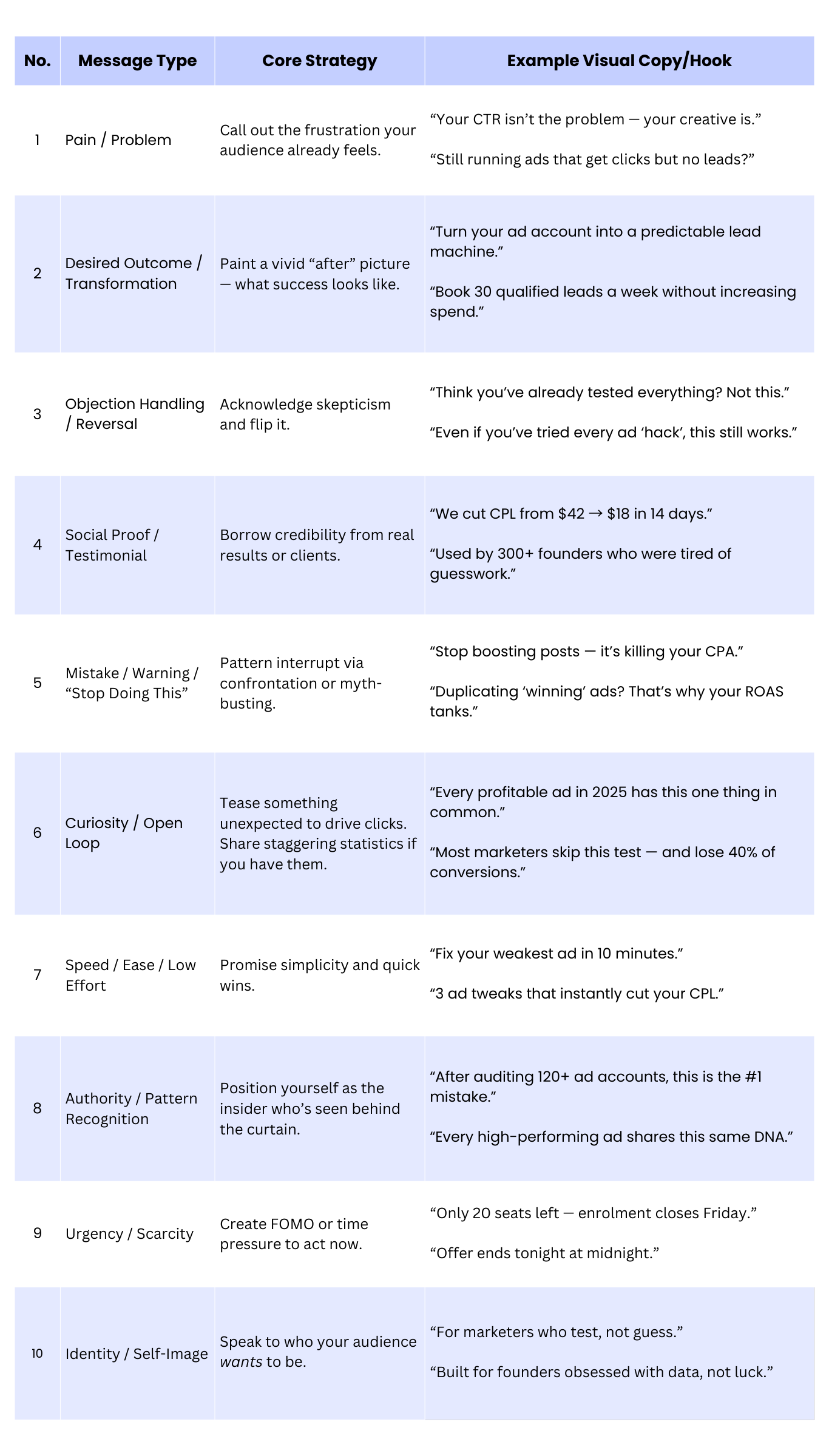
Here are the 10 message archetypes I test systematically:
Mike's Tip:
Stuck on what to write? Here’s my prompt to get ChatGPT to brainstorm ad image copies: “Write short on-image ad copy ideas (under 12 words) for my [product/service] using these 10 message angles — Pain, Outcome, Objection, Proof, Warning, Curiosity, Speed, Authority, Urgency, and Identity — in a tone that fits [my audience].”
If you’re running a full-funnel strategy (which you should) across awareness, consideration and conversion, you may tailor more high-intent messages such as 4- Social Proof/ Testimonial and 9- Urgency/ Scarcity for lower portions of the funnel, particularly for remarketing. (More about Remarketing and Custom audiences in my article Meta Ads for Ecommerce Growth)
3. Format Testing (How the Message Is Delivered In-Feed)
In July 2025, Meta rolled out an important algorithm update- Andromeda, which now rewards creative diversity more than ever before.
Format testing used to be a “nice-to-have” and I spent most of my efforts on testing messages and visuals. However, Meta’s new delivery system now learns faster when it sees the same message in multiple formats — like static images, carousels, Reels, or short-form videos. Each format provides different engagement signals (clicks, swipes, watch time, dwell time), which help the algorithm understand what resonates with your audience.
That’s why in 2025 and beyond, it’s no longer best practice to just test “what to say” or “how it looks” — format testing has become just as important. Here are the most common 6 formats to test:
3.1 Static (Single Image)
Use for: bold claims, frameworks, saveable insights, and clear CTAs.
Strength: easy to produce, quick to iterate, fast to read.
🧠 Why it works under Andromeda: Static images still train the algorithm on thumbnail-level engagement — how quickly users stop scrolling or hover. They provide high-volume, low-noise signals that help Meta identify strong hooks before scaling.
3.2 Carousel
Use for: step-by-step storytelling, objection handling, or testimonials.
🧠 Why it works under Andromeda: Carousels boost engagement depth — Meta tracks swipe rate and completion rate per card. That data helps the system predict intent strength more accurately than single-image ads.
3.3 Short-Form Video (UGC / Selfie Talk-to-Cam)
Use for: authentic, relatable, “I tried this” storytelling.Ideal for: top-of-funnel awareness and trust-building.Hook within 2 seconds: “You’re boosting posts? Stop.”
🧠 Why it works under Andromeda: Short videos train Andromeda’s watch-time prediction models. The system now favours creatives that hold attention beyond 3 seconds, signalling content relevance and audience-fit.
3.4 Screen-Record Explainer Video
Use for: education, walkthroughs, audits, or software demos.
Example: “Let me show you what’s wrong with most ad accounts.”
🧠 Why it works under Andromeda: Screen recordings generate high interaction dwell time — users pause, replay, or scrub — which Meta interprets as high-intent engagement. Excellent for experts, educators, and service-based offers.
3.5 Hybrid Video (Talking Head + Overlays + Proof Screenshots)
Use for: credibility and authority storytelling. Combine face-to-camera + data proof (e.g., dashboards, client messages).
🧠 Why it works under Andromeda: Hybrid videos deliver multi-signal inputs — both personal (facial trust) and informational (on-screen data). This mix triggers stronger learning signals for algorithmic optimisation.
3.6 GIF / Subtle Motion

Use for: scroll-stopping motion disguised as static.
Examples: a blinking cursor, animated graph, or subtle glow on headline text.
🧠 Why it works under Andromeda: Micro-motion creatives create high thumb-stop rates with minimal load, feeding early engagement signals that help Meta classify your ad as “low-friction content.”
Mike's Tip:
Beyond these 6 common formats, it may be useful to test out other formats depending on your business. For e-Commerce businesses, Instant Experience and Catalog Ads may perform extremely well, especially if they’re dynamic product ads. (For a closer look at how these formats specifically impact ecommerce performance, check out my article 5 Simple Ways to Boost Your Meta Ads for eCommerce Growth)
Other ad formats such as Messenger Ads work great if you are in the service industry and offer personalised services like providing quotes or booking appointments. Test out what makes sense for your business and product offering.